
Baler Machine Basics
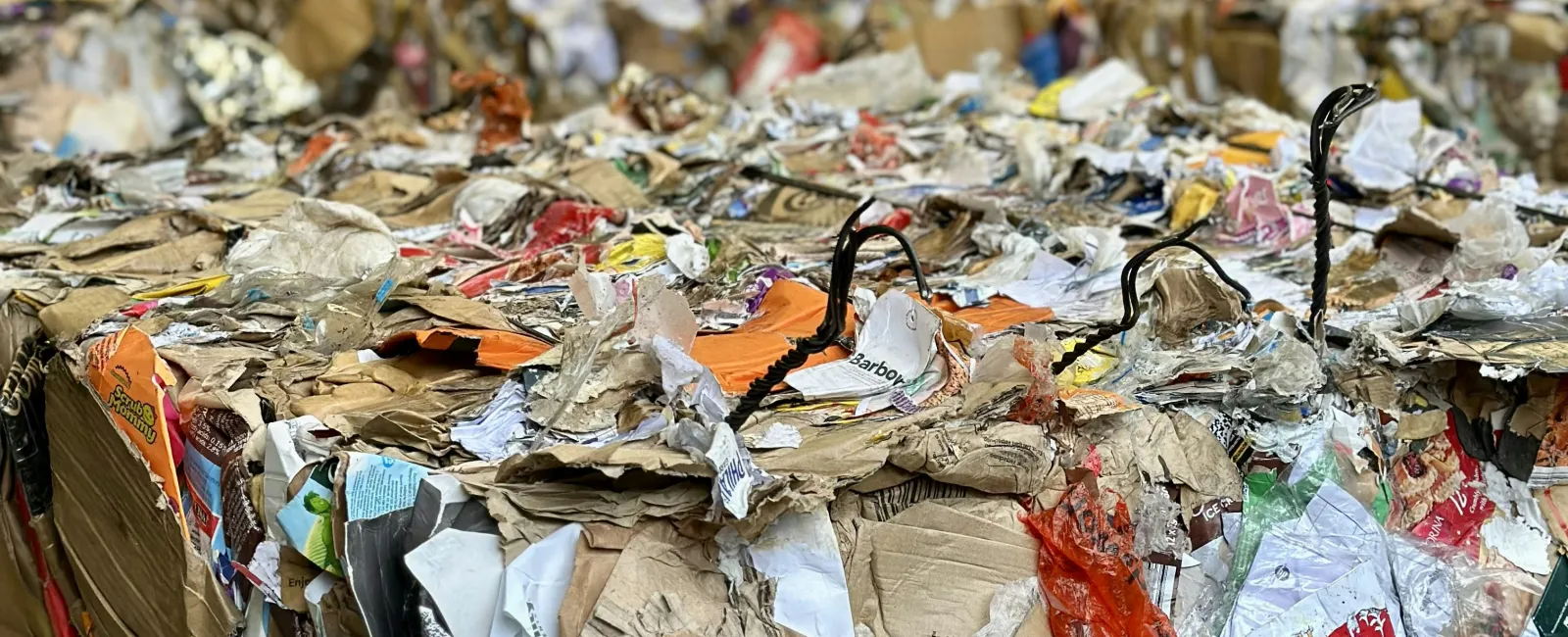
A baler machine is industrial equipment that compresses loose waste or recyclable materials into compact, uniform bales. Those bales are easier to store, simpler to transport, and in many cases, sellable to commodity markets as recyclable material.
When you feed material in, the hydraulic ram compresses it under significant force, and what comes out the other side is a dense, wire-tied block that takes up a fraction of the original space. A cardboard baler machine, for example, can take a pile of flattened boxes that fills an entire corner of your warehouse and compress it into a neat 1,000-pound bale roughly the size of a refrigerator. Businesses that switch from dumpster-only waste removal to in-house baling typically reduce hauling frequency by 50 to 70 percent, since bales are far denser than loose material.
Baler machines are used across a wide range of industries: distribution centers, grocery chains, manufacturing plants, recycling facilities, print shops, hotels, hospitals, and more. The right machine depends entirely on what you are baling and how much of it you produce.
The Main Types of Baler Machines
The three types you will encounter most in commercial and industrial settings are vertical balers, horizontal balers, and two-ram balers. Each one is built for a different volume level and material type.
Vertical Baler Machines
For most businesses just getting into baling, a vertical baler machine is foundational. These units have a compact footprint, typically between 4 and 6 square feet of floor space, and they are straightforward to operate. A single employee can run one safely after a brief training session. The vertical baler machine is also the most versatile entry point. The same unit that handles cardboard one day can bale plastic film or paper the next, depending on the model and compression rating. This flexibility makes it the go-to choice for grocery stores, fulfillment centers, packaging operations, and distribution facilities that deal with mixed recyclable waste streams.
Horizontal Baler Machines
Once your material output climbs past a few tons per day, a horizontal baler machine starts to make more operational sense. These machines are designed for continuous feed, often connected directly to a conveyor system, and can process material at a rate that would overwhelm any vertical unit.
Horizontal balers come in two main configurations: closed-door (manual-tie) and auto-tie. An auto-tie horizontal baler machine automatically ties each bale with wire as it exits the machine, which dramatically reduces the labor needed to run the equipment. Closed-door units require an operator to manually tie the bale, which works fine at moderate volumes but becomes a bottleneck at scale.
Large recycling facilities, paper mills, and high-volume distribution centers typically run horizontal baler machines for exactly this reason. The upfront investment is higher, and the footprint is larger, but the throughput and labor savings justify it quickly.
Two-Ram Baler Machines
A two-ram baler machine uses two separate hydraulic rams to compress material from two directions. This design allows it to handle dense, difficult materials that would damage or jam a single-ram machine: scrap metal, mixed municipal waste, tires, and bulky industrial scrap.
If your operation processes ferrous or non-ferrous metals, a two-ram baler machine is the category to focus on. The bales it produces are extremely dense, which is important for both transport efficiency and commodity value when selling material to a scrap buyer or recycler.
What Materials Can a Baler Machine Process?
The material you need to bale should drive your equipment decision. A cardboard baler machine is not designed to handle scrap metal, and an industrial two-ram unit is overkill for a grocery store's cardboard output.
Here is a quick breakdown of common materials and which baler type handles each best:
- Cardboard / OCC: vertical or horizontal baler
- Plastic film: vertical baler (specialty)
- Paper / mixed paper: vertical or horizontal baler
- PET bottles: vertical or horizontal baler
- Aluminum cans: vertical baler (dedicated)
- Scrap metal: two-ram baler
Most baler machines are designed with a primary material in mind. A paper baler machine is optimized for the density and compression behavior of paper fiber. A plastic baler machine handles the springback of plastic differently. Using a machine outside its designed material range leads to poor bale density, increased wear, and in some cases, safety issues. Always match the machine to the material.
How to Choose the Right Baler Machine for Your Operation
The right baler machine is the one that matches your actual volume, material, and facility, not the biggest machine on the market or the cheapest one available. Here are the four questions that cut through the noise.
What Is Your Daily Material Output?
Volume is the single biggest driver of machine selection. If you are generating less than a ton of cardboard per day, a mid-size vertical baler machine will handle it comfortably. If you are running a large distribution center or recycling operation with multiple tons per day, look at semi-automatic or fully automatic horizontal units. Buying more machine than you need wastes capital. Buying less creates a bottleneck that costs you more in the long run.
What Type of Material Are You Baling?
A cardboard baler machine, a plastic baler machine, and a metal baler machine are all built differently. Compression ratios, chamber sizing, and tie systems vary by material. If your waste stream is mixed, discuss that with your equipment supplier before committing to a machine. In some cases, a two-ram baler handles mixed streams better than a dedicated single-material unit.
How Much Floor Space Do You Have?
Vertical baler machines win decisively on footprint. If your facility is space-constrained, a well-chosen vertical unit gives you meaningful baling capability without consuming production floor. Horizontal units typically need a dedicated bay or loading dock area. Know your spatial limits before you start comparing specs.
New or Used?
The used baler machine market is robust and worth exploring, especially for operations building out their waste handling infrastructure for the first time. A professionally reconditioned baler machine from a reputable distributor can perform like new at a significantly lower capital outlay. The key is buying from a supplier who stands behind the equipment with service and parts support after the sale.
The Bottom Line
A baler machine is one of the few capital purchases in waste management that pays for itself in a measurable timeframe. Reduced hauling costs, lower labor overhead, a cleaner and safer facility, and potential commodity revenue from recyclable bales are all returns you can put numbers to.
The key is not just buying a baler machine, it is buying the right one. Vertical or horizontal, cardboard or plastic, new or used: the decision starts with an honest look at your volume, your material, and your space. Get those three right, and the rest of the selection process is straightforward.
If you are not sure where to start, talking to an equipment specialist who carries multiple brands and machine types will get you to the right answer faster than any spec sheet will.
Ready to Find the Right Baler Machine?
Crigler has been supplying, installing, and servicing baler machines across the Southeast since 1972. Whether you need a single vertical unit for a retail operation or a fully integrated horizontal baling system for a high-volume facility, the team can help you find the right fit.


