
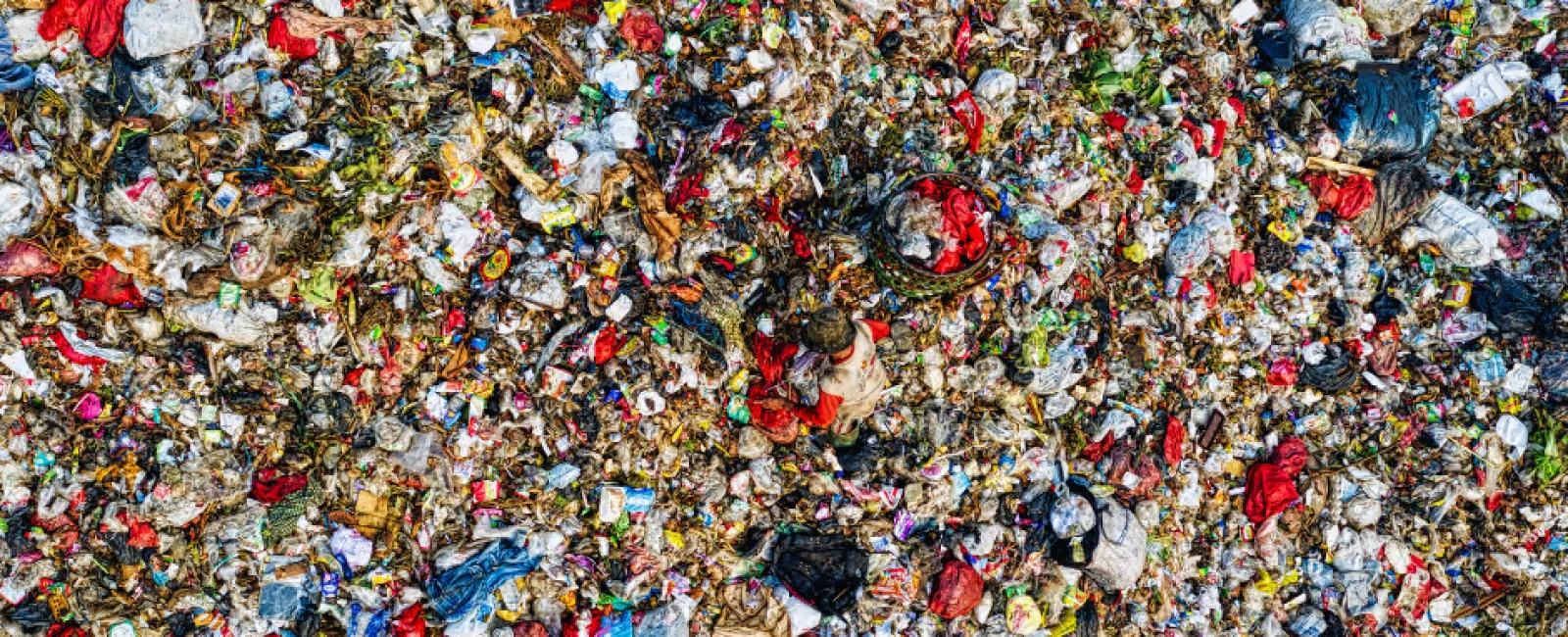
Plastic piles up fast, takes up valuable floor space, and costs
a fortune to haul away. However, there is a straightforward solution that
businesses have relied on for decades: baling plastic with a plastic baler.
Baling plastic transforms loose,
bulky waste into compact, manageable bales that are easier to store, transport,
and sell to recyclers. Whether you are handling stretch wrap from your shipping
dock or rigid plastic containers from production lines, understanding how to
bale plastic properly can save your operation time, money, and headaches.
What Is a Plastic Baler and How Does It Work?
A plastic baler is a machine
designed to compress loose plastic materials into dense, rectangular bundles
called bales. Think of it like a giant trash compactor, but instead of crushing
everything into a messy heap, a baler creates uniform, tightly bound packages
that are easy to stack, store, and ship.
The basic process is simple.
You feed plastic waste into the baler's chamber. The machine uses hydraulic
pressure to compress the material. Once the bale reaches the right density, you
secure it with wire or strapping. Out comes a neat package of baled plastic
ready for pickup or storage.
There are two main types of
balers to consider. Vertical balers work well for smaller operations,
processing one bale at a time with a relatively small footprint. Horizontal balers handle higher volumes and often include automatic feeding systems,
making them ideal for facilities that generate large amounts of plastic waste
daily. For operations that require additional capacity, two-ram balers can process multiple materials without cross-contamination and produce extremely dense
bales.
Why Baling Plastic Makes Sense for Your Business
The math behind baling plastic
is compelling. Loose plastic waste takes up enormous amounts of space. A
standard baler can reduce that volume by up to 90 percent. That means fewer
dumpster pickups, lower hauling costs, and more room on your loading dock for
actual work.
Beyond the space savings, baled
plastic has real value. Recyclers prefer working with clean, properly baled
materials because they are easier to process. Many will pay you for your bales,
turning what was once a cost center into a modest revenue stream. Even if the
market prices are soft, reducing your disposal fees often makes baling
worthwhile on its own.
There is also the environmental
angle to consider. When you bale plastic for recycling, you are keeping it out
of landfills and giving it a second life. That is something your customers and
employees increasingly care about, and it can strengthen your company's
sustainability story.
How to Bale Plastic Waste Properly
Getting good results from your
baler starts before you even turn the machine on. The first step is sorting
your plastic. Different types of plastic have different values and recycling
requirements. LDPE film, which includes stretch wrap and shrink wrap, should be
kept separate from HDPE materials like milk jugs and detergent bottles. Mixing
types reduces the value of your bales and can even make them unsellable to
picky recyclers.
Contamination is the enemy of a
good bale. Before feeding plastic into your baler, remove any tape, labels,
food residue, or other materials that do not belong. A little effort here goes
a long way toward maintaining bale quality and getting better prices from
buyers.
When loading the baler,
distribute material evenly across the chamber. Uneven loading creates lopsided
bales that are harder to stack and can damage the machine over time. Most
vertical balers have a fill line marked inside the chamber. Do not exceed it,
and do not try to rush the process by overstuffing.
Once the chamber is full, close
the door and activate the compression cycle. The hydraulic ram will push down
on the plastic, squeezing out air and compacting the material. Depending on
your baler and the material you are processing, you may need to run multiple
cycles before the bale reaches the desired density.
When the bale is ready, apply
wire ties or plastic strapping through the channels built into the baler. Most
machines have specific tie-off points for a reason. Use them. Properly secured
bales will hold their shape during handling and transport. Poorly tied bales
can expand, fall apart, or become safety hazards.
Finally, eject the finished bale
and store it in a clean, dry area until your recycler picks it up or you have
enough bales to justify a shipment. Moisture and dirt can degrade plastic
quality, so covered storage is best.
Choosing the Right Plastic Baler for Your Operation
Selecting a baler depends on
several factors. How much plastic waste do you generate? Do you have space
constraints? What is your budget? A small retail operation might do fine with a
basic vertical baler that costs a few thousand dollars. A busy distribution
center processing tons of stretch wrap daily will need something more robust.
Bale size matters too. Standard
bale weights for plastic film typically range from 400 to 1,200 pounds.
Recyclers often have preferences, so check with potential buyers before
committing to equipment that produces bales they cannot easily handle.
Do not overlook used or
reconditioned balers as an option. A well-maintained machine can deliver years
of reliable service at a fraction of the cost of new equipment. Just make sure
you work with a reputable dealer who stands behind their products and can
provide parts and service when needed.
Making Your Plastic Baling Program Work
The best baler in the world
will not help if your team does not use it consistently. Training is essential.
Make sure everyone who handles plastic waste understands what goes in the
baler, how to operate it safely, and why the process matters. Post clear
signage near the machine and collection points.
Regular maintenance keeps your
baler running smoothly. Check hydraulic fluid levels, inspect wire or strapping
supplies, and address any strange noises or behaviors before they become
expensive repairs. Most manufacturers provide maintenance schedules. Follow
them.
Building relationships with
local recyclers can also pay dividends. They can advise you on what materials
are most valuable, how they prefer bales prepared, and when market conditions
change. A good recycler is a partner in your waste reduction efforts, not just
a hauler.
Ready to Get Started with Baling Plastic?
Baling plastic waste is one of
those practical improvements that makes operations run smoother while doing
something positive for the environment. The technology is proven, the process
is straightforward, and the benefits are real.
At Crigler, we have been helping
businesses find the right recycling equipment solutions for their specific
needs. Contact us today to discuss your options and
find out how baling plastic can work for your operation.


