
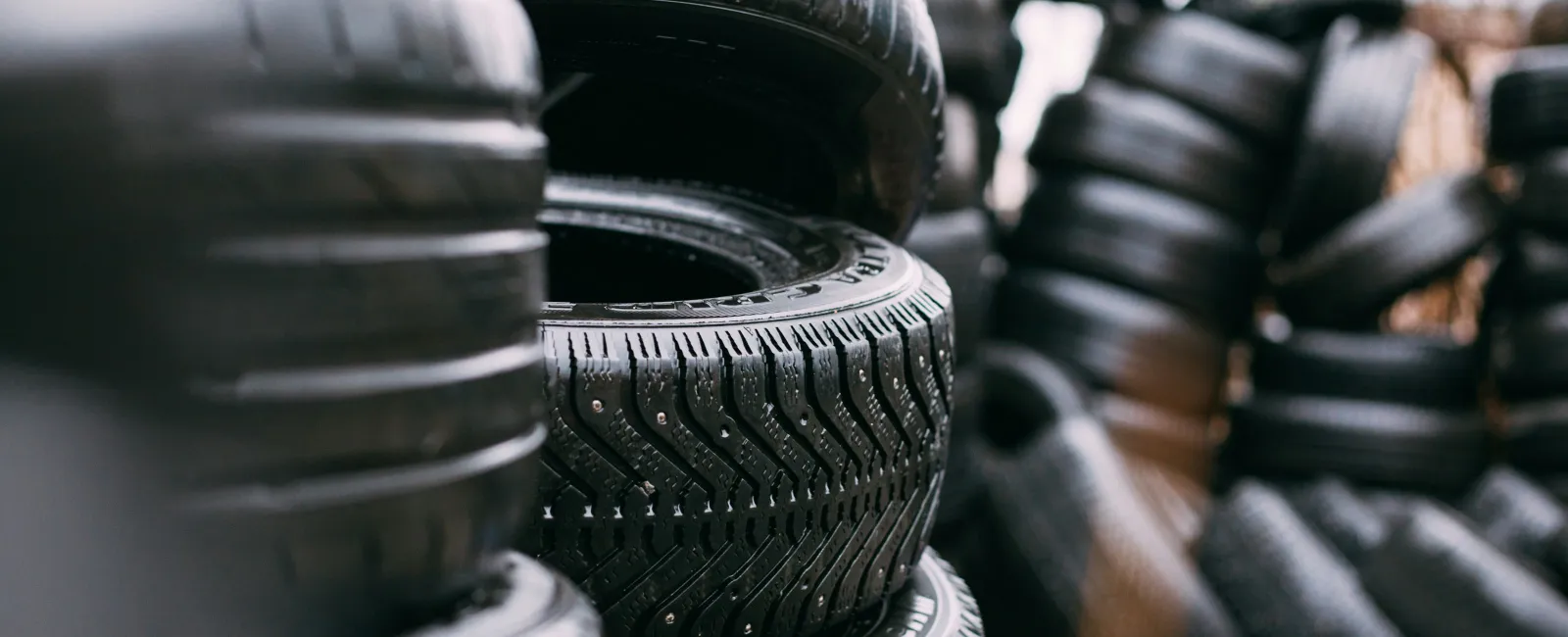
Why Tire Shredding Is Its Own Animal
Tires fight
back. Between steel belts, nylon plies, and multi-layer rubber, they chew
through cutters faster than almost any other industrial waste stream. That is
why rubber recycling and tire shredding usually call for low-speed, high-torque
multi-shaft shredders with interlocking cams or cutters, rather than the
lighter-duty single-shaft industrial
shredders you might use for cardboard or plastic.
Tire shredder
output feeds a handful of end markets, and each market wants a specific size,
cleanliness, and steel-content spec:
- Tire-derived fuel (TDF) for cement kilns, pulp and paper mills, and electric utility boilers
- Crumb rubber for athletic surfaces, asphalt additives, and molded products
- Rubber mulch for landscaping and playgrounds
- Tire chips for civil engineering uses such as lightweight fill and landfill drainage
- Scrap steel wire recovered from the tire carcass
The market you
intend to serve drives the whole equipment specification, not the other way
around. Decide that first.
Primary, Secondary, and How Far You Process
Most tire
recycling operations stage the work in phases:
- Primary shredding: whole tires reduced to 2-inch to 6-inch chips
- Secondary shredding or granulation: chips reduced further to crumb or mulch
- Steel removal: typically via magnetic separation between or after shredding stages
If you are
shipping to TDF customers, primary shredding plus magnetic separation may be
all you need. If you are producing crumb for athletic surfaces, you are looking
at a full tire recycling machine line that includes primary and secondary
shredders, magnetic separators, and screens. The math, the labor, and the
footprint scale up accordingly.
Questions to Answer Before You Buy
Get clear on
these before you talk to anyone about specs:
- What is your target throughput? Tires per hour, or tons per day?
- Are you feeding whole tires, or are tires pre-cut on the inbound side?
- What output size does your end market require?
- How will steel belt wire be removed and handled?
- Stationary or mobile? Mobile tire shredders make sense if you process at multiple sites or yards.
- What is your available electrical infrastructure? Low-speed, high-torque shredders pull serious power.
- How much floor space do you actually have, including room for downstream conveyors and separation?
- What does the wear-part replacement schedule look like, and what do replacements run?
- What fire and dust suppression do you need to meet code in your jurisdiction?
If you can
answer those, you can have a real conversation with a distributor and avoid
getting sold the wrong machine.
Operational Realities Most Buyers Underestimate
A few things
consistently surprise first-time tire shredder buyers.
Wear costs. Tire
shredder cutters and cams wear faster than almost any other industrial shredder
application. Build replacement parts into your operating budget from day one,
not as a maintenance surprise.
Fire risk. Shredded
rubber dust plus a heat source is a real fire hazard. Fire suppression, dust
extraction, and the right venting are not optional add-ons.
Power
infrastructure. A primary tire shredder may need three-phase service well
into the hundreds of amps. If your facility is not wired for it, the electrical
upgrade can rival the cost of the machine itself.
Material
handling. Conveying shredded rubber out of the machine requires conveyors built for the abrasion
and weight. Standard belt conveyors fail quickly in this application.
Steel as a
revenue stream. The wire pulled out by your magnetic separator is salable scrap steel.
Worth tracking, worth selling intentionally.
End Markets Shape Everything Else
Before you size
the shredder, scope the buyers. A new tire recycling business almost always
overestimates how easy it is to move output. TDF customers want consistent chip
size and low contamination. Crumb rubber buyers spec everything down to the
screen size. Civil engineering buyers care less about size but want guaranteed
wire content limits.
The end-market
spec drives screen sizing, shredder cuts, magnetic separator design, and
whether you bother with secondary processing at all. A small tire shredder
producing uniform 2-inch chips for a single TDF customer can be a lot more
profitable than a sprawling rubber recycling plant cranking out inconsistent
output for a market that has not actually been lined up.
Talk to Someone Who Has Spec'd Both the Machine and the Line
Crigler can
spec, install, and service tire shredders and the full processing line around
them. We carry American
Pulverizer's low-speed, high-torque shredders, which were built for exactly
this kind of application, along with Vecoplan tire re-shredders, conveyors, and
integrated handling
systems. As an authorized distributor for several manufacturers, we can put
together a tire recycling machine line that matches your throughput, your end
market, and your facility, without pushing a single brand.
Need help
picking the right equipment for your operation? Reach us through our contact form or call today.


