
Waste volume can be a high operational cost for businesses. Between hauling fees, labor, and the space that unmanaged waste takes up, the expense adds up faster than most facility managers expect. A commercial trash compactor addresses all of it, including reducing waste volume, lowering disposal frequency, and keeping your facility cleaner and safer.
What Is a Commercial Trash Compactor?
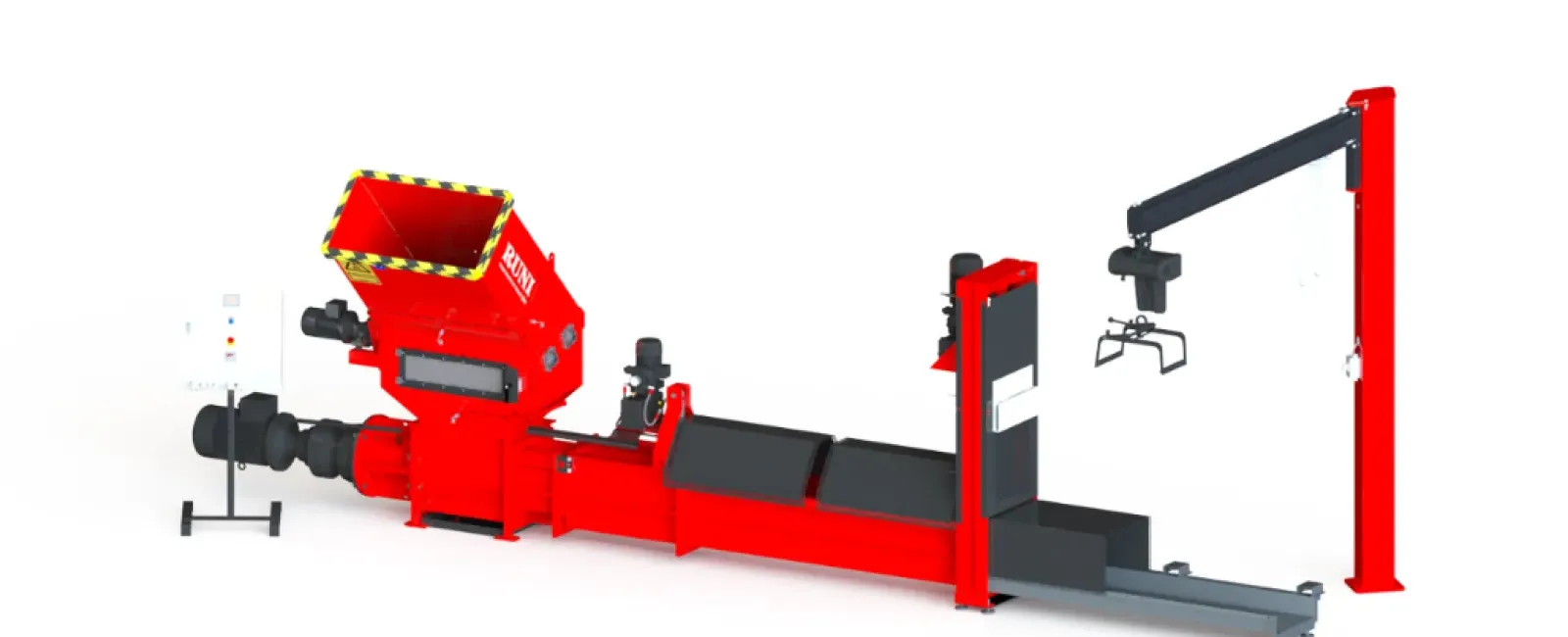
A commercial trash compactor is a heavy-duty waste management system that uses a hydraulic ram to compress large volumes of waste into dense, compact loads. This reduces the physical footprint of your waste and allows more material to be hauled in fewer pickups.
Unlike residential units, industrial trash compactors are built for continuous, high-volume use. They are designed to handle the demands of commercial and industrial operations, from distribution centers and manufacturing facilities to hotels, hospitals, and large retail environments.
Types of Commercial Compactors
Selecting the right compactor starts with understanding the two primary configurations available and what applications each one serves best.
Stationary Compactors
A stationary compactor consists of a compacting unit that is fixed in place and connected to a detachable steel container. When the container reaches capacity, it is hauled away and replaced with an empty one while your operations continue without interruption.
Stationary compactors are designed for dry waste streams, including cardboard, plastic, paper, wood, and general solid waste. They are the right choice for manufacturing facilities, distribution and packaging centers, retail operations, and any business generating consistent volumes of dry material.
Because the compactor unit stays on site and only the container is exchanged, stationary compactors offer high throughput with minimal downtime.
Self-Contained Compactors
A self-contained compactor integrates the compacting mechanism and the waste container into a single, sealed unit. The entire system is transported when it reaches capacity.
Self-contained units are engineered for wet waste applications. Their sealed design prevents leakage, controls odors, and eliminates the conditions that attract pests. This makes them the standard choice for restaurants, hotels, food processing operations, hospitals, and any facility managing organic or liquid-bearing waste.
Because the container and compactor travel together, self-contained units require a higher haul frequency than stationary systems, but the tradeoff is a cleaner, more compliant waste management solution for wet material.
Key Benefits of a Commercial Waste Compactor
Reduced Hauling Costs
Compaction ratios for commercial units typically range from 3:1 to 6:1, meaning waste that previously required three to six pickups can now be consolidated into one. Fewer hauls translate directly to lower disposal fees, which is often the most immediate and measurable return on investment.
Lower Labor Requirements
Open waste bins and dumpsters require frequent attention from staff: monitoring fill levels, transporting waste to collection points, and managing overflow. A compactor centralizes the process and reduces the manual labor involved in day-to-day waste handling.
Improved Facility Cleanliness and Safety
Uncontained waste creates hazards. It attracts pests, generates odors, and creates tripping and fire risks in and around loading docks and storage areas. A commercial compactor keeps waste contained and compressed, reducing the exposure points that lead to these problems.
Stronger Sustainability Position
For businesses with environmental compliance requirements or sustainability goals, compactors support both. Compressed waste loads reduce the number of haul trucks on the road, lowering your facility's carbon footprint. Compactors also pair effectively with balers for operations separating recyclable material streams.
Commercial Trash Compactor Repair and Maintenance
Like any hydraulic equipment, commercial compactors require regular maintenance to perform reliably. Hydraulic fluid levels, seal integrity, ram alignment, and control system functionality should all be inspected on a scheduled basis.
When compactors are not properly maintained, the most common issues include hydraulic leaks, ram failure, and electrical faults in the control panel. Facilities that operate compactors at high capacity are especially dependent on a responsive service provider, since equipment downtime directly impacts waste management operations.
Crigler Enterprises provides commercial trash compactor repair and maintenance services for businesses throughout the Southeast. Our technicians are experienced with a broad range of compactor makes and models, and we carry parts inventory to minimize turnaround time on service calls.
How to Choose the Right Commercial Compactor
The right unit depends on four factors.
Waste type. If your operation generates primarily dry waste, a stationary compactor is the appropriate choice. If your waste stream includes food, liquid, or organic material, a self-contained unit is required.
Volume. Higher-volume operations benefit from larger container capacities and stationary configurations that allow continuous operation during container exchanges. Lower-volume operations may find a smaller self-contained unit sufficient.
Available space. Stationary compactors require a fixed installation footprint plus space for container exchange. Self-contained units need clearance for haul truck access. Site layout should be part of the equipment selection conversation.
Budget and ROI timeline. Upfront equipment costs vary by unit size and configuration. The relevant metric is not the purchase price alone but the reduction in hauling fees and labor costs over time. In most commercial applications, compactors pay for themselves within two to three years.
Industrial Trash Compactors for Southeast Businesses
Crigler Enterprises has been serving businesses across the Southeast since 1972. We specialize in waste handling and recycling equipment, including commercial compactors, industrial balers, conveyors, and custom waste handling systems. Our team handles equipment selection, installation, and ongoing service.
If your facility is evaluating a commercial trash compactor or needs service on an existing unit, contact Crigler Enterprises to speak with one of our specialists.


