
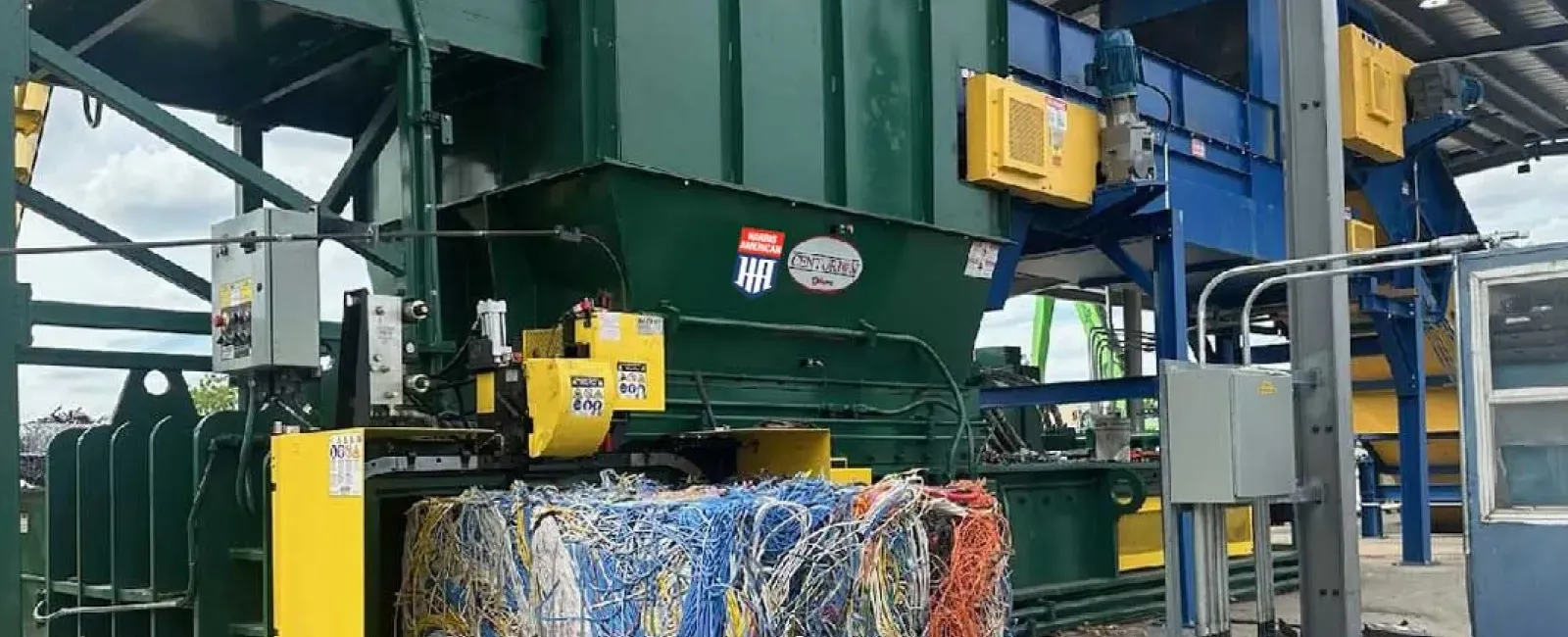
If you manage waste at a manufacturing plant, distribution center, or recycling facility, you have probably heard the term "baler" thrown around. But what exactly is a baler, and how does it work? More importantly, how do you know which type is right for your operation?
What Is a Baler?
A baler is a machine that compresses loose materials into dense, compact bales. Think of it like a giant hydraulic press that takes bulky waste like cardboard, plastics, textiles, or scrap metal and squeezes it into a neat, manageable block.
These bales are easier to store, transport, and sell to recyclers. Instead of dealing with overflowing bins and frequent hauling trips, businesses can reduce their waste volume with the right baler equipment.
The term "baler" might make you think of hay bales on a farm, and that is where the technology originated. But industrial and recycling balers have come a long way since then. Today's baler machines are built for heavy-duty applications in warehouses, factories, and material recovery facilities across the country.
How Does a Baler Work?
The basic principle behind every baler machine is simple: hydraulic force. Here is the step-by-step process:
Loading: Materials are fed into the compression chamber, either manually or through automated conveyor systems.
Compression: A powerful hydraulic ram pushes against the material with a force of 20 to 200+ tons. The material compresses against the chamber walls, forcing out air and packing everything tightly together.
Binding: Once the bale reaches the desired density, the machine secures it with wire ties or strapping to hold its shape.
Ejection: The finished bale is pushed out of the chamber, ready for storage or transport.
Compression is where the quality of your equipment matters most. High-quality balers are engineered to create maximum density, which means heavier bales with more material per cubic foot. This matters because recyclers pay by the ton, and denser bales mean better value and lower transportation costs.
Types of Baler Machines
Not all balers are the same. The right choice depends on your material type, volume, and available space.
Vertical Balers
Vertical balers compress material from top to bottom. They have a smaller footprint, making them ideal for businesses with limited floor space. You will commonly see these in retail stores, small warehouses, and commercial facilities that generate moderate amounts of cardboard or plastic.
Vertical balers are typically loaded manually and require an operator to tie off each bale. They are more affordable upfront and work well for operations processing a few bales per day.
Horizontal Balers
Horizontal balers compress material from side to side and are built for high-volume operations. These machines can be integrated with conveyors for automated feeding, which means less manual labor and faster throughput.
Horizontal balers come in several configurations, including closed-door models that create extra-dense bales and auto-tie systems that handle the binding automatically. If your facility processes large quantities of recyclables daily, a horizontal baler is likely your best bet.
Two-Ram Balers
Two-ram balers use one cylinder to compress material and a second cylinder to control and push the finished bale. They are especially effective for materials with high elasticity, like rubber, or for mixed loads where you need a larger feed opening.
These machines also use less tie-wire than single-ram models because the added compression creates bales that hold their shape better over time.
What Materials Can a Baler Process?
Modern recycling balers handle a wide range of materials. Here are the most common:
Cardboard: The most popular material for baling. Cardboard balers are essential for distribution centers, retail operations, and any business that receives frequent shipments.
Plastics: From shrink wrap and film to rigid plastic containers, balers can compress various plastic types for recycling.
Paper: Office paper, newsprint, and mixed paper all bale efficiently.
Textiles: Clothing, fabric scraps, and industrial textiles can be baled for recycling or resale.
Metals: Aluminum cans, scrap metal, and even light ferrous materials can be processed with the right equipment.
Foam: Specialized balers handle EPS foam and other lightweight materials that would otherwise take up enormous storage space.
Why Do Businesses Use Balers?
Investing in a baler machine offers several practical benefits:
Reduced Hauling Costs: Loose recyclables take up space. Compacted bales are denser and require fewer pickups, resulting in lower waste management expenses.
Revenue from Recyclables: Many materials have commodity value. Baled cardboard, plastics, and metals can be sold to recyclers, turning a cost center into a revenue stream.
Better Space Management: Without a baler, recyclables pile up fast. Baling keeps your facility organized and frees up valuable floor space.
Improved Safety: Loose materials create tripping hazards and fire risks. Contained bales are safer and easier to manage.
Sustainability Goals: Baling makes recycling practical at scale, helping businesses meet environmental commitments and reduce landfill waste.
Choosing the Right Baler for Your Operation
Consider these factors when selecting baler equipment:
Material Type: What are you baling? Cardboard and paper work well in most balers, but metals and mixed plastics may require specialized equipment.
Volume: How much material do you generate per day or week? Low volumes might only need a vertical baler, while high-volume operations benefit from automated horizontal systems.
Space: Measure your available footprint. Vertical balers need less floor space but more overhead clearance. Horizontal balers are longer but can be positioned against a wall.
Labor: Do you have staff available to manually load and tie bales, or do you need automation? Auto-tie horizontal balers reduce labor requirements significantly.
Budget: Balers range from a few thousand dollars for basic vertical units to six figures for large horizontal systems. Consider both upfront costs and long-term operational savings.
Where to Find Quality Baler Equipment
Whether you are purchasing your first baler or upgrading an existing system, working with an experienced equipment provider makes all the difference. Look for a company that offers a range of options from trusted manufacturers, provides installation support, and can service the equipment over its lifetime.
At Crigler Enterprises, we have been helping businesses across the Southeast find the right recycling equipment for over 50 years. We carry balers from industry leaders like Harris, American Baler, and Max-Pak, and our team can help you choose equipment that fits your operation. From vertical balers for smaller facilities to high-capacity horizontal systems for major recycling operations, we have the expertise to guide you toward the right solution.
Ready to Explore Baler Options?
Understanding what a baler is and how it works is the first step toward improving your waste management process. The right equipment can reduce costs, generate revenue, and help your business operate more efficiently.
Contact Crigler Enterprises today to discuss your recycling equipment needs. Our team is here to help you find the perfect baler for your operation.


