
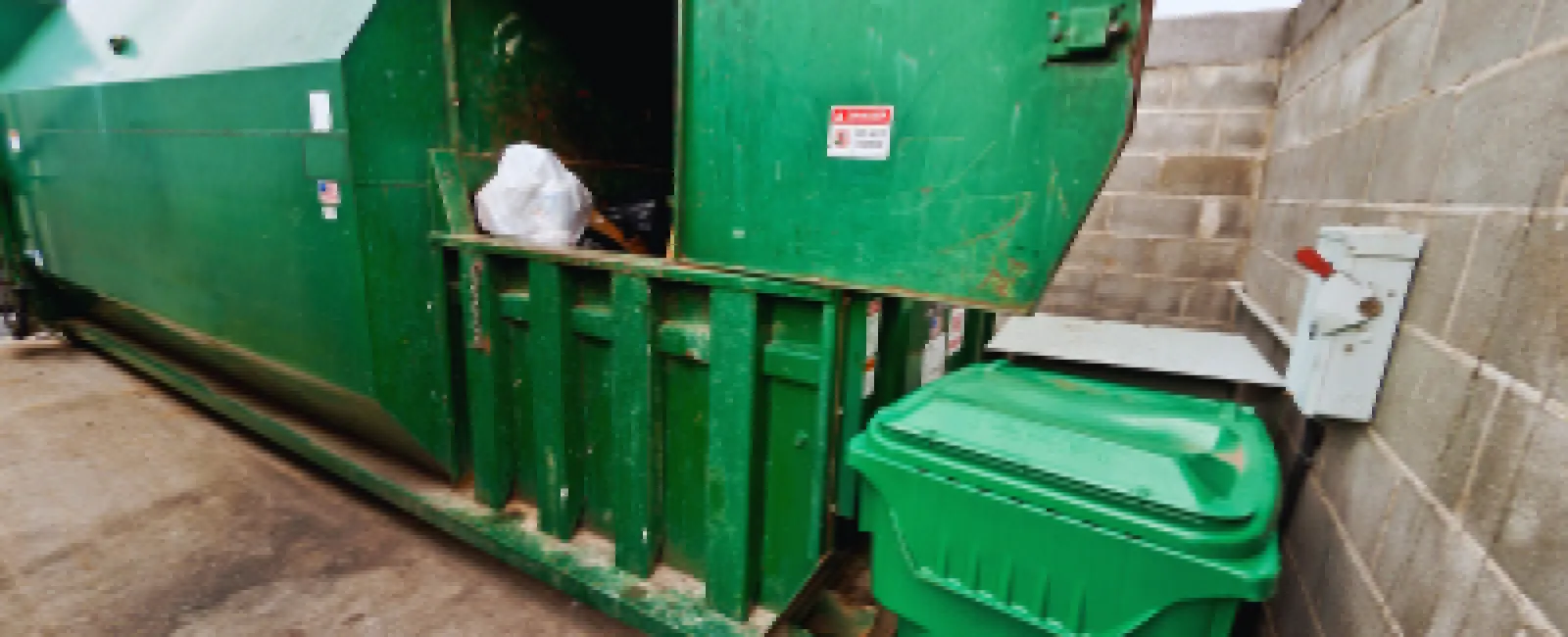
Every business generates waste. Whether it's cardboard from shipping, food scraps from a restaurant kitchen, or general refuse from an office building, all that material takes up space. A trash compactor solves this problem by reducing waste volume, cutting disposal costs, and keeping facilities cleaner. But how does a trash compactor work, exactly?
What Is a Trash Compactor?
A trash compactor is a machine
that uses hydraulic or mechanical force to compress waste into a smaller,
denser mass. By squeezing out the air pockets between items, compactors can significantly reduce trash volume. That means fewer pickups, lower hauling fees,
and more efficient use of dumpster space.
While residential kitchen
models exist, commercial and industrial garbage compactors handle much larger
volumes. These heavy-duty machines serve warehouses, manufacturing plants,
retail centers, hospitals, and apartment complexes where waste management is a
daily operational concern.
How Does a Trash Compactor Work?
The basic principle behind
every trash compactor is straightforward: apply pressure to loose waste until
it compresses into a tight, manageable block. The process typically follows
these steps:
- Loading the waste. Staff deposit trash into the compactor's chamber through a loading door or chute. Some models accept loose material directly, while others work with bags or bins.
- Activating the ram. Once the chamber contains enough material, an operator activates the machine. A powerful hydraulic ram (essentially a large metal plate) moves forward into the chamber.
- Compressing the material. The ram applies thousands of pounds of force, crushing the waste against the back wall or into a connected container. Air escapes, materials flatten, and the overall volume shrinks dramatically.
- Retracting and repeating. After reaching full compression, the ram retracts to its starting position. The chamber is ready for the next load. This cycle continues until the container reaches capacity.
- Hauling the compacted waste. When full, the container gets picked up by a waste hauler. Because the trash is compacted, fewer trips are required compared to traditional dumpsters.
Types of Commercial Trash Compactors
Not all compactors are the same. The right choice depends on waste type, volume, available space, and
budget.
Self-contained compactors combine
the compaction unit and container into one sealed system. They work well for
wet waste like food scraps because liquids stay contained. Restaurants, grocery
stores, and hospitals often choose this style.
Stationary compactors feature
a separate compaction unit that pushes waste into a detachable roll-off
container. When full, the container gets swapped out while the compactor stays
in place. These handle high-volume dry waste efficiently and suit manufacturing
facilities, distribution centers, and large retail operations.
Vertical compactors compress
waste downward into bags or small containers. Their compact footprint makes
them ideal for businesses with limited space, such as small retail stores or
office buildings.
Specialty compactors are
designed for specific materials like cardboard, foam, or recyclables. These
machines often work alongside balers in recycling operations where material
separation matters.
What Does a Trash Compactor Do for Your Business?
Beyond the obvious benefit of
smaller waste piles, trash compactors deliver several operational advantages.
- Lower disposal costs. Fewer pickups mean lower hauling fees. Many businesses see waste management costs drop significantly after installing a compactor.
- Improved cleanliness. Enclosed compactors reduce odors, keep pests away, and prevent loose trash from blowing around parking lots or loading docks.
- Better space utilization. A single compactor often replaces multiple open dumpsters, freeing up valuable real estate at your facility.
- Enhanced safety. Sealed units reduce employee exposure to waste and minimize the risks associated with overfilled dumpsters.
- Environmental benefits. Compacting trash means fewer truck trips to the landfill, which reduces fuel consumption and carbon emissions.
How to Use a Trash Compactor Safely
Proper operation protects both
employees and equipment.
Always train staff on the
specific model before allowing them to operate the machine. Never overload the
chamber, as this strains the hydraulic system and can cause jams. Keep hands
and loose clothing away from the loading area when the compactor is running.
Schedule regular maintenance to inspect hydraulic lines, seals, and electrical
components. Never compact prohibited materials like hazardous chemicals,
pressurized containers, or flammable liquids.
Choosing the Right Compactor for Your Operation
Selecting a garbage compactor
involves evaluating your waste stream, volume, and facility layout. Consider
what types of materials you discard most frequently. Think about how much waste
you generate daily or weekly. Assess the available space for equipment and
container access. Factor in local hauling options and costs.
Working with an experienced
equipment provider makes this process easier. They can assess your needs,
recommend appropriate models, and handle installation so the system integrates
smoothly into your operations.
Crigler Enterprises has helped businesses across the Southeast find the right waste handling solutions since 1972. From compactors and balers to complete custom systems, our team provides expert guidance, quality equipment, and reliable service. Contact us today to discuss which compactor fits your facility's needs.


