
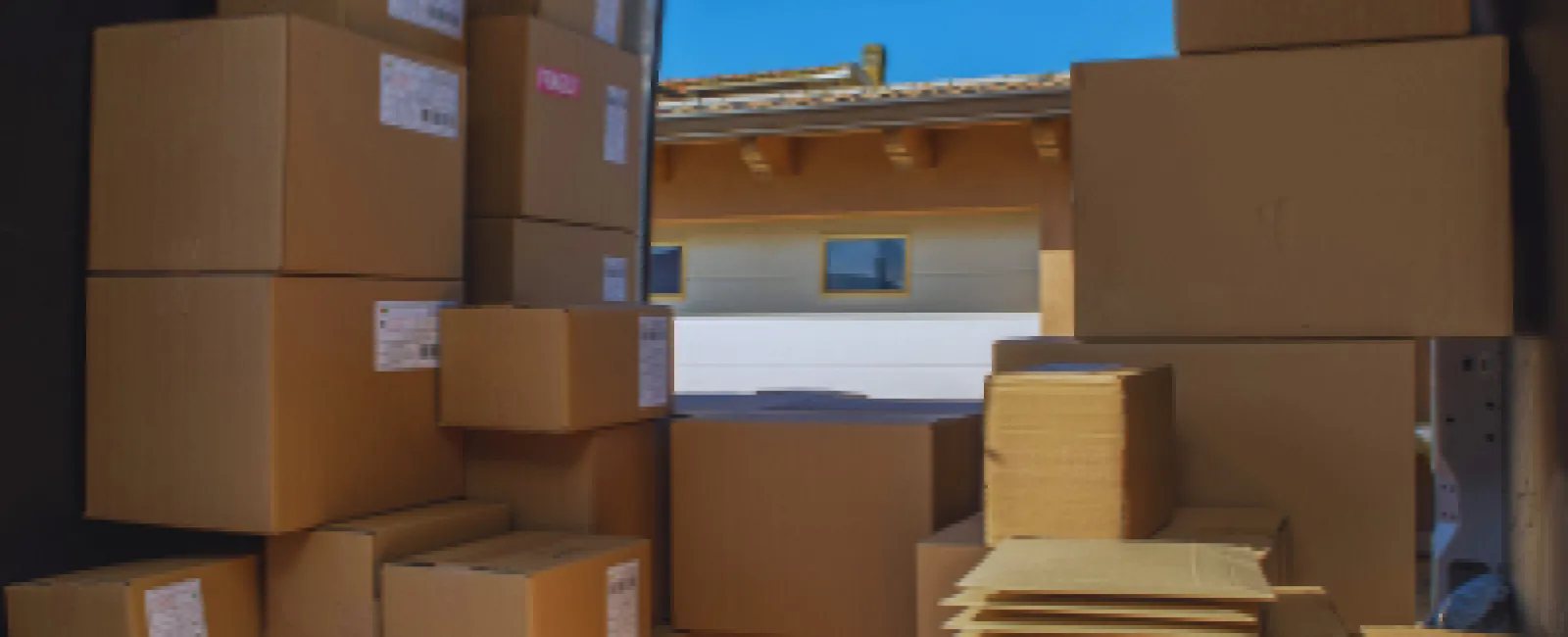
The holiday shopping season is upon us, and your warehouse is about to face a familiar problem: mountains of cardboard. Distribution centers, retailers, and fulfillment operations across the Southeast are bracing for what many call "returns season," a period that can generate more packaging waste than the entire holiday shipping rush.
Why Your Current Setup Might Not Be Enough
Many warehouses and distribution centers size their recycling equipment for average daily volumes. That works fine for the majority of the year, but when holiday returns hit, you're suddenly dealing with peak volumes.
Signs your baler can't handle the surge:
Cardboard piling up faster than you can bale it. If your team is constantly playing catch-up, your throughput isn't matching your inbound volume.
Longer cycle times. Older or undersized balers may slow down under heavy use, especially if hydraulic systems are overdue for maintenance.
Inconsistent bale density. If your bales are coming out loose or underweight, you're leaving money on the table when you sell to recyclers.
Space constraints. Cardboard staged for baling takes up valuable floor space that could be used for processing returns.
Preparing Your Equipment for Peak Volume
The best time to prepare for the January rush was November. The second-best time is right now. Here's what you can do to get your recycling operation ready:
Schedule Preventive Maintenance
Your baler has been working hard through the holiday shipping season. Before return volume peaks, have a technician inspect hydraulic fluid levels, check for leaks, examine wear items like ram seals and ejector cylinders, and verify that safety interlocks are functioning properly. A breakdown in mid-January can bring your entire returns processing operation to a halt. See the dos and don'ts of baler maintenance for more details.
Check Your Wire and Twine Supply
Running out of baler wire during peak season is a surprisingly common problem. Audit your current inventory and order enough to get through February. If you're using an auto-tie baler, verify that your wire feeding system is calibrated correctly and that you have backup spools ready.
Evaluate Your Throughput Needs
If you're running a vertical baler and consistently falling behind, it may be time to consider an upgrade. Horizontal balers offer significantly higher throughput and can process cardboard continuously rather than in batches. For high-volume operations, a two-ram baler or an auto-tie system can dramatically reduce the labor required to keep up with incoming material.
Train Your Team
Seasonal staff brought on for returns processing may not be familiar with baler operation. Make sure everyone who touches the equipment knows proper loading procedures, safety protocols, and who to contact if something goes wrong. A few minutes of training can prevent hours of downtime. Check out tips for properly training baler operators.
Turning Waste Into Revenue
Here's the upside of all that cardboard: OCC (old corrugated cardboard) has real value. Clean, well-baled cardboard can be sold to recyclers, offsetting some of your waste management costs or even generating revenue.
The keyword is "well-baled." Recyclers pay by the ton, and they prefer dense, consistent bales that are easy to transport and process. A properly maintained baler producing mill-size bales will get you better prices than loose cardboard or undersized bales that require extra handling.
If you're currently paying for cardboard removal, the January surge might be the push you need to evaluate whether investing in better baling equipment could flip that expense into income.
Planning Beyond January
Returns season is predictable. It happens every year, and the volumes keep growing as e-commerce expands. Rather than scrambling each January, smart operations are building their recycling infrastructure to handle peak volumes as the baseline.
That might mean upgrading from a vertical to a horizontal baler. It could mean adding a second baler for redundancy. For larger operations, integrating conveyors to feed material directly to your baler can eliminate bottlenecks and reduce labor costs year-round.
Get Ahead of the Rush
If your current recycling setup is already showing strain, don't wait until you're buried in cardboard to address it. Contact Crigler to schedule a consultation.


